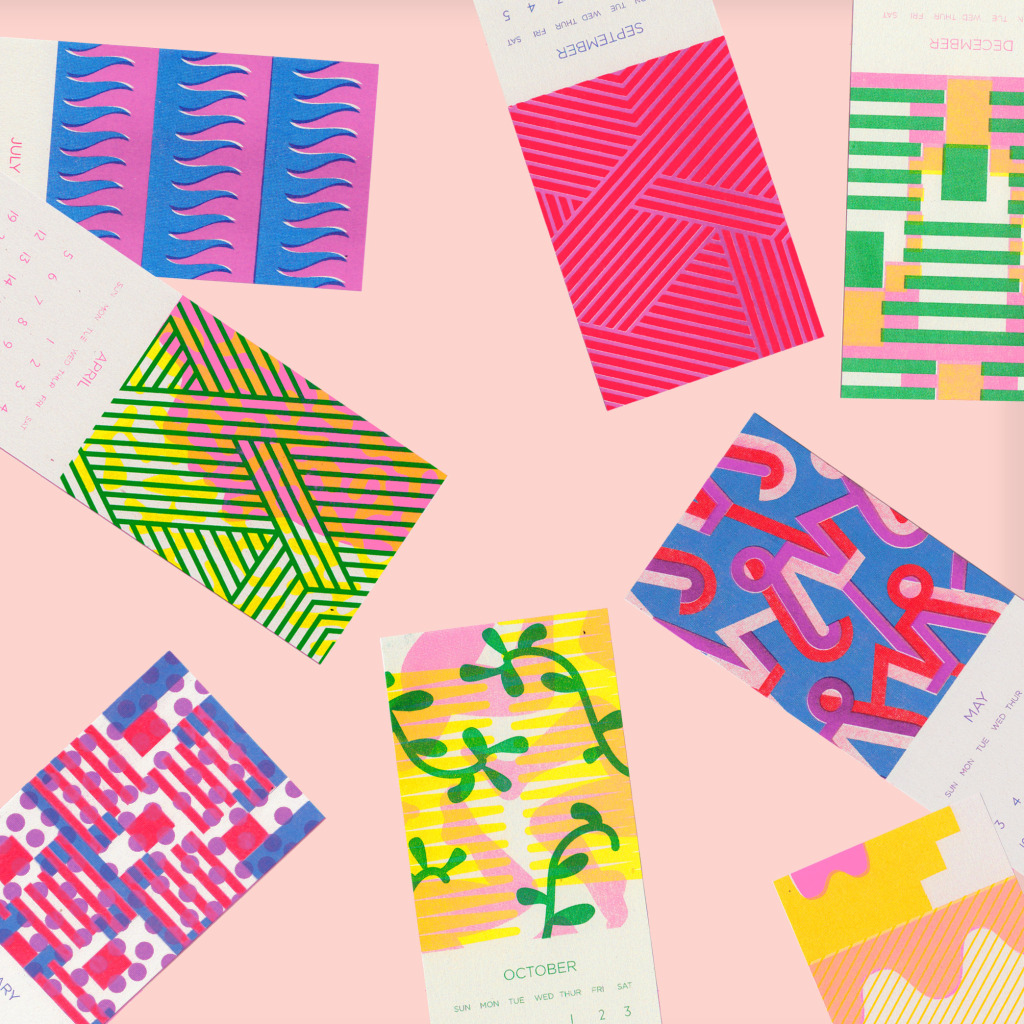
Risotto have launched their brand new website, designed with other vis-com-des person Brendan Bennet.
Communication Design Department Blog / Glasgow School of Art
Risotto have launched their brand new website, designed with other vis-com-des person Brendan Bennet.
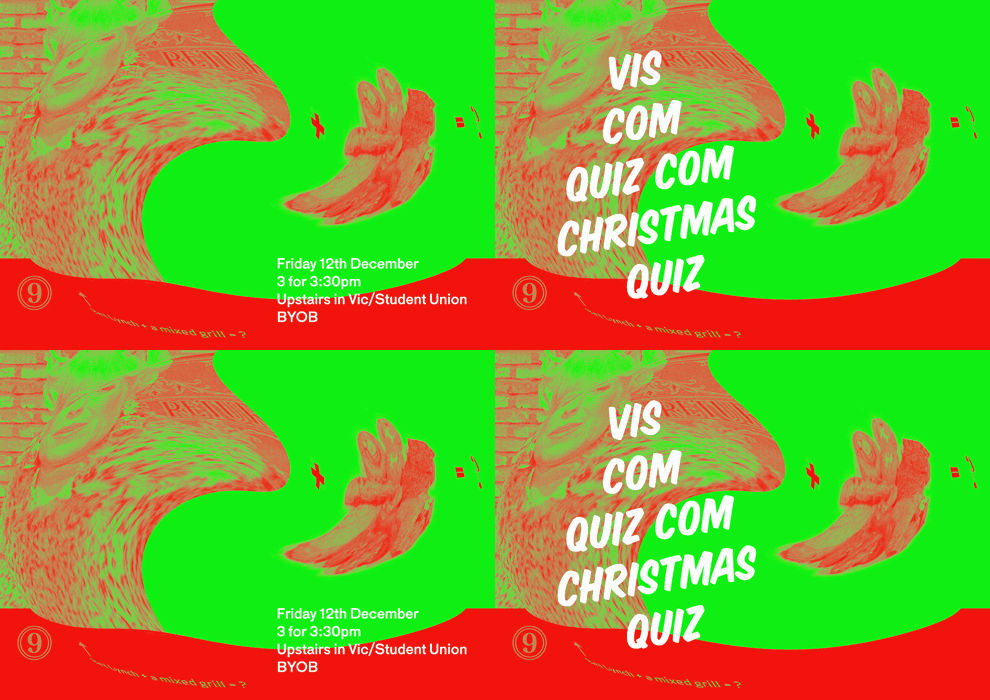
Fri 12th Dec. Upstairs in the Vic. Bring your own bottle/booze/beer/brain. No cheating. Teams of former students encouraged.
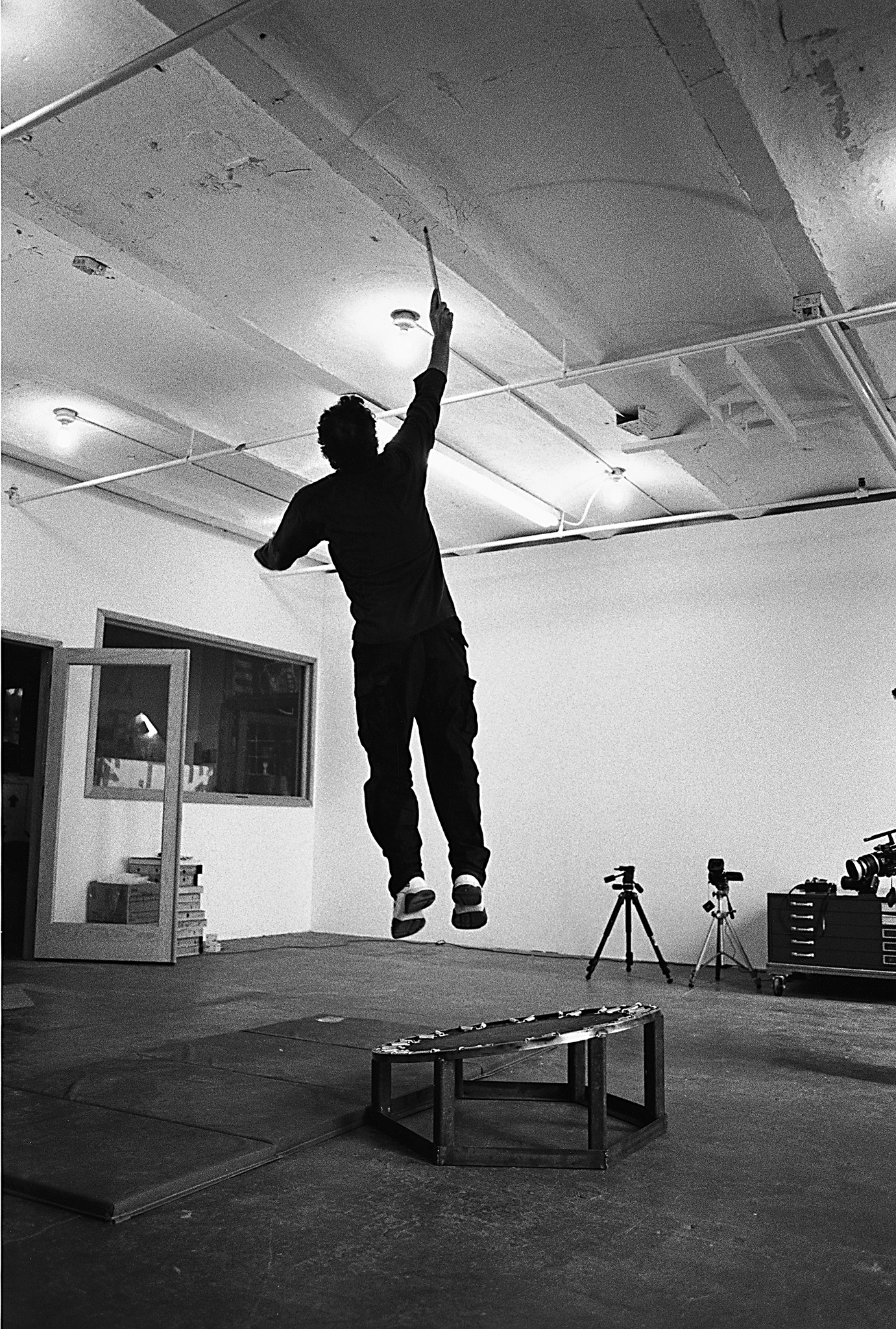
This article from Walker Art Center provides a detailed overview of a range of artists using ‘performative’ drawing as a way of exploring abstraction, physicality and the world around them. Some great images too.
Picture: Matthew Barney performing Drawing Restraint 6, 1989. Courtesy the artist and Gladstone Gallery, New York. Photo: Chris Winget.
This thursday, at the CCA, (not at lunch time) this event looks at education through the prism of digital technology. Coincidentally by chance a nice compliment to our own Feral Studio event on tuesday late afternoon/evening. Come along to both, all welcome.

Just back from a fascinating trip to GSA Singapore. Might do a dad-style holiday slideshow about it, (watch this space), in the meantime you can follow fragments of the journey on @gsaviscom
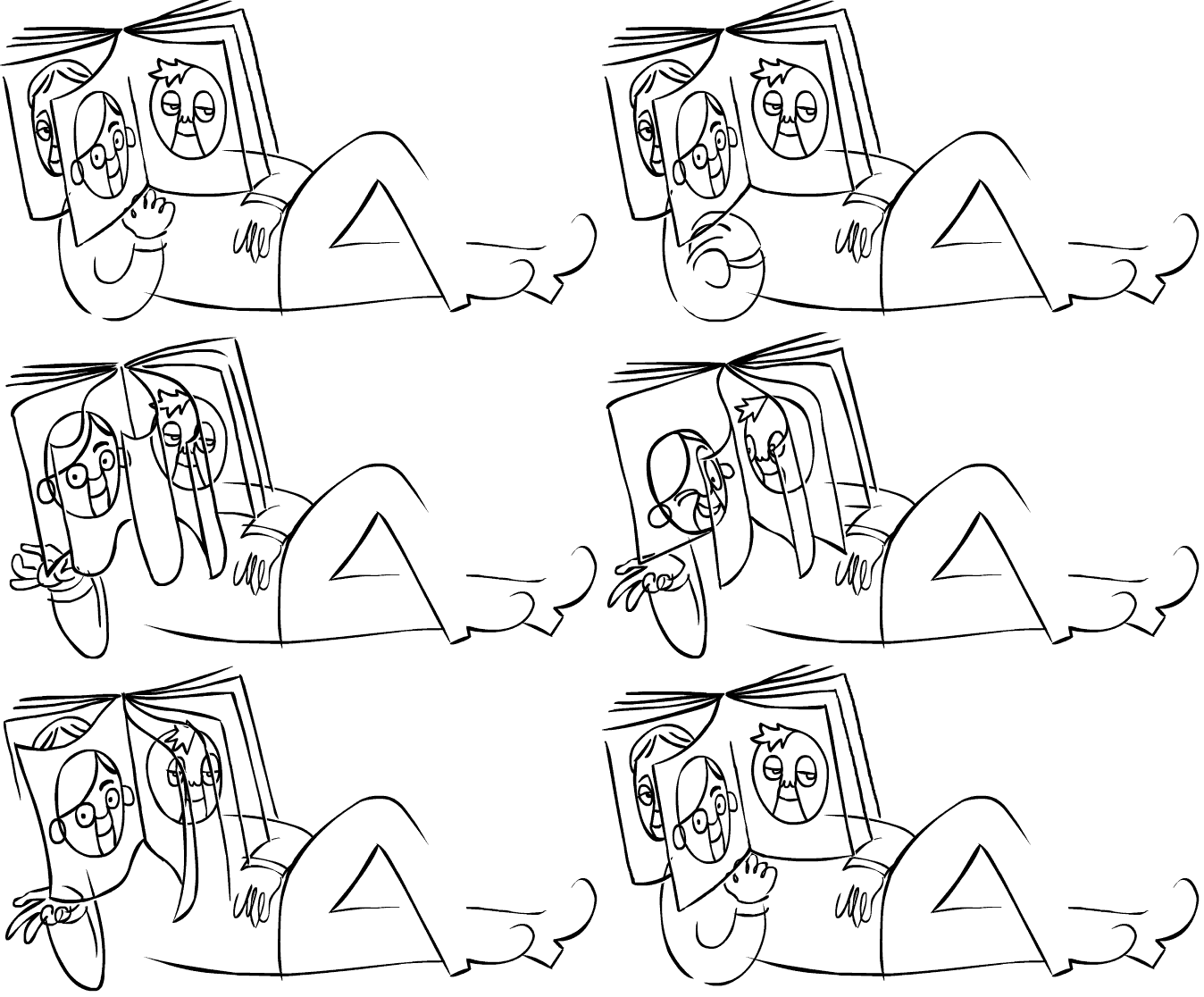
I’m interested in the links between projects like Médor (link via Eric of OSP), and recent discussions in Scotland about independent investigative journalism. This was the subject of a really interesting discussion that Bella Caledonia hosted just prior to the referendum, and something that the Scottish Inquirer are, amongst others, looking to develop further. Peter Geohagan is also interesting to follow on these topics.
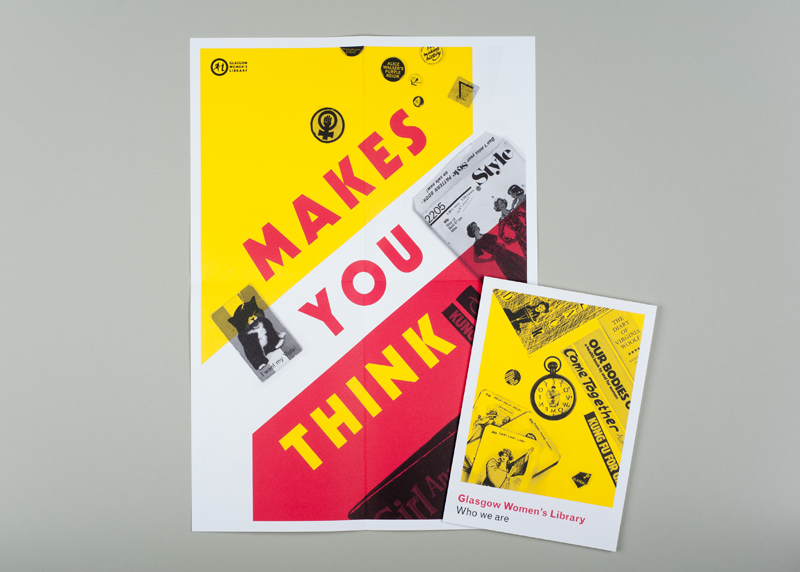
We’re pleased to announce an upcoming Designer in Residence opportunity with the fantastic Glasgow Womens Library. This opportunity is open to recent female viscomdes graduates from GSA, and includes the chance to be based at the Library and be involved in a mixture of paid and ‘in-kind’ projects with GWL. To find out more download this document. Expressions of interest and application forms will be available from GWL website from 15 December 2014.
Deadline for applications will be 5th January 2015
Image: Glasgow Womens Library Campaign – by Sophie Dyer and Maeve Redmond / Photography: Tian Khee Siong.
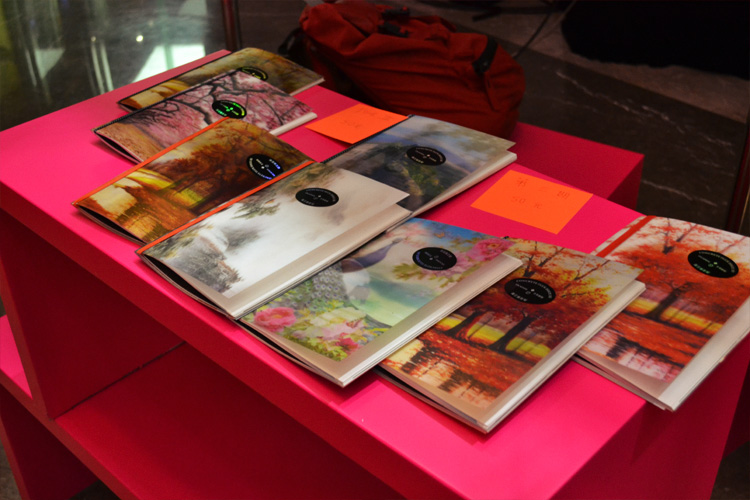
Concrete Flux Issue 3 – Escapism by viscomdes person Solveig Suess and designed with other viscomdes person Sophie Dyer, gets a write up from Kendra Schaefer. Sophie is joining us next week for this interesting project, via Feral Studio, which students of GSA are welcome to sign up to.
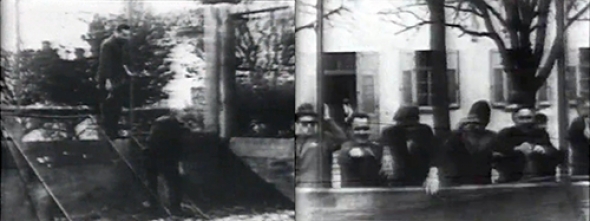
“As market logic moulds institutions of learning, treatment and therapy ever more brazenly, co-founder of the Cophenhagen Free University, Jakob Jakobsen, resuscitates some radical histories of deinstitutionalisation, in psychiatry and education, to learn valuable anti-lessons in negation and resistance.”
via Mute.

Workshop: Rebecca will be leading a one day workshop on Wednesday 26th November. The workshop is open to all year groups across Comm Des. Numbers are limited to 20 places, Booking is essential, reserve a place here.
Talk: Rebecca will be talking about her practice and recent projects, *Update* Now to be held Thursday 27th, 4.30pm, Reid Lecture Theatre, Peter Reid Building, GSA. All welcome!
Rebecca Davies is an illustrator, performer and event organizer who has a deeply participatory practice. Her work centres around themes of ‘people and place’, exploring changes in heritage and how people’s surroundings, in constant flux, affect our communities.
Since graduating from the Royal College of Art in 2010, she has developed and directed a number of large scale participatory projects including Studio at the Elephant, transforming a unit in the Elephant and Castle Shopping Centre into a programmed arts studio and event space. This project has since developed into The Peoples Bureau funded by Tate Modern. From 2012-2014 Rebecca travelled the UK in The Beau Belles Ice Cream Van, a project funded by Arts Council England and produced by Artsadmin. This project explored ‘how we come together’ and celebrated the social rituals and traditions across the UK . Her most recent project has been selected to open the Mons Capital of Culture 2015.
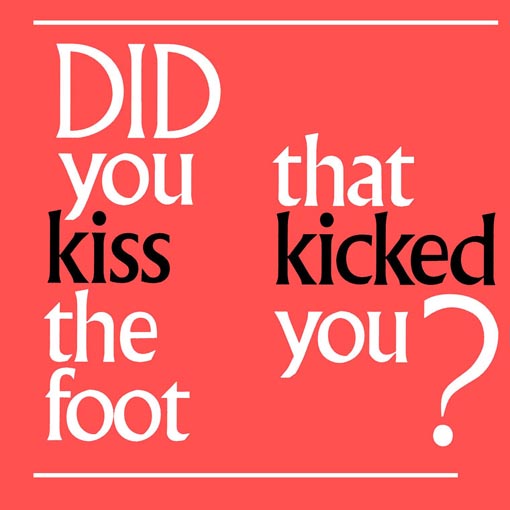
As we were talking about different types of serif today, thought I’d post a few recent serifs that I’ve come across that I think are notable for one reason or another: First up, this ‘flareserif’ by Will Holder – probably handdrawn I think, though similar in many ways to Albertus.
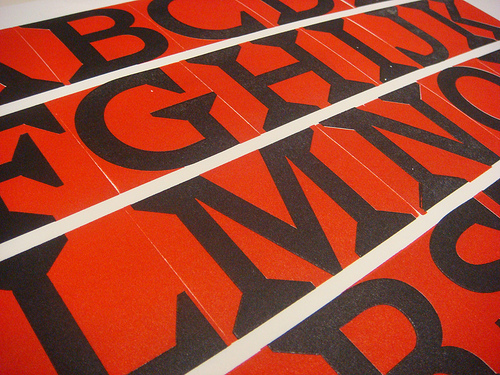
Secondly, Van Lanen, (with its wide angular serifs), by Matthew Carter.
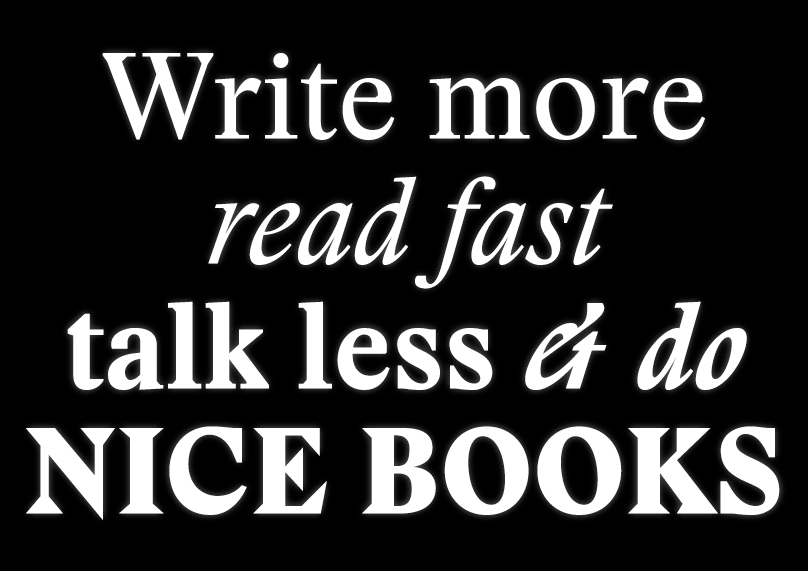
Lastly, Stanley, (with its idiosyncratic serifs), from Optimo Type Foundry.
(Disclaimer: Other serifs are available, a mention does not necessarily mean an endorsement, descenders can go up as well as down*)
* actually they can’t.
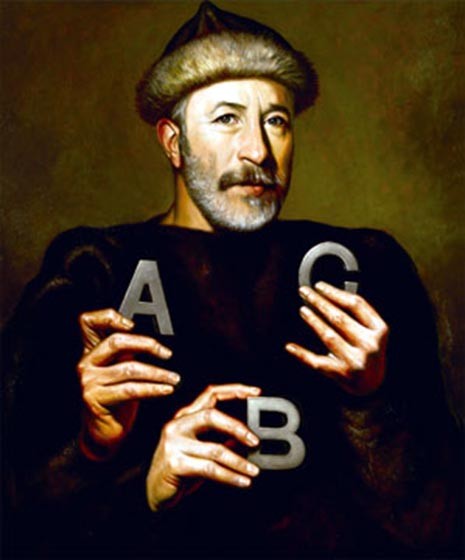
Edwin Pickstone: ‘A potted history of the alphabet and its designs’
Principal Seminar Room 1, Reid Building, 14 Jan 2015, 1pm
Looking at the histories of type design, Pickstone will speak about particular fonts linked to works in the exhibition, including Eric Gill Gill Sans and Alasdair Gray.
All welcome, no need to book
via ‘A potted history of the alphabet and its designs’.
Part of Spheres of Influence II.
“In a sense, an “immoral” and a “moral” approach to data attribution are equally difficult to justify. When we make anything in human culture, we’re using the whole damned apparatus. We should either thank everyone, or thank no-one and just get on with making the stuff and putting it out there. Bending the semantic rays as they pass endlessly though our machines.”
via This is something I’ve planned to do for a while:… – Mrs Tsk *.
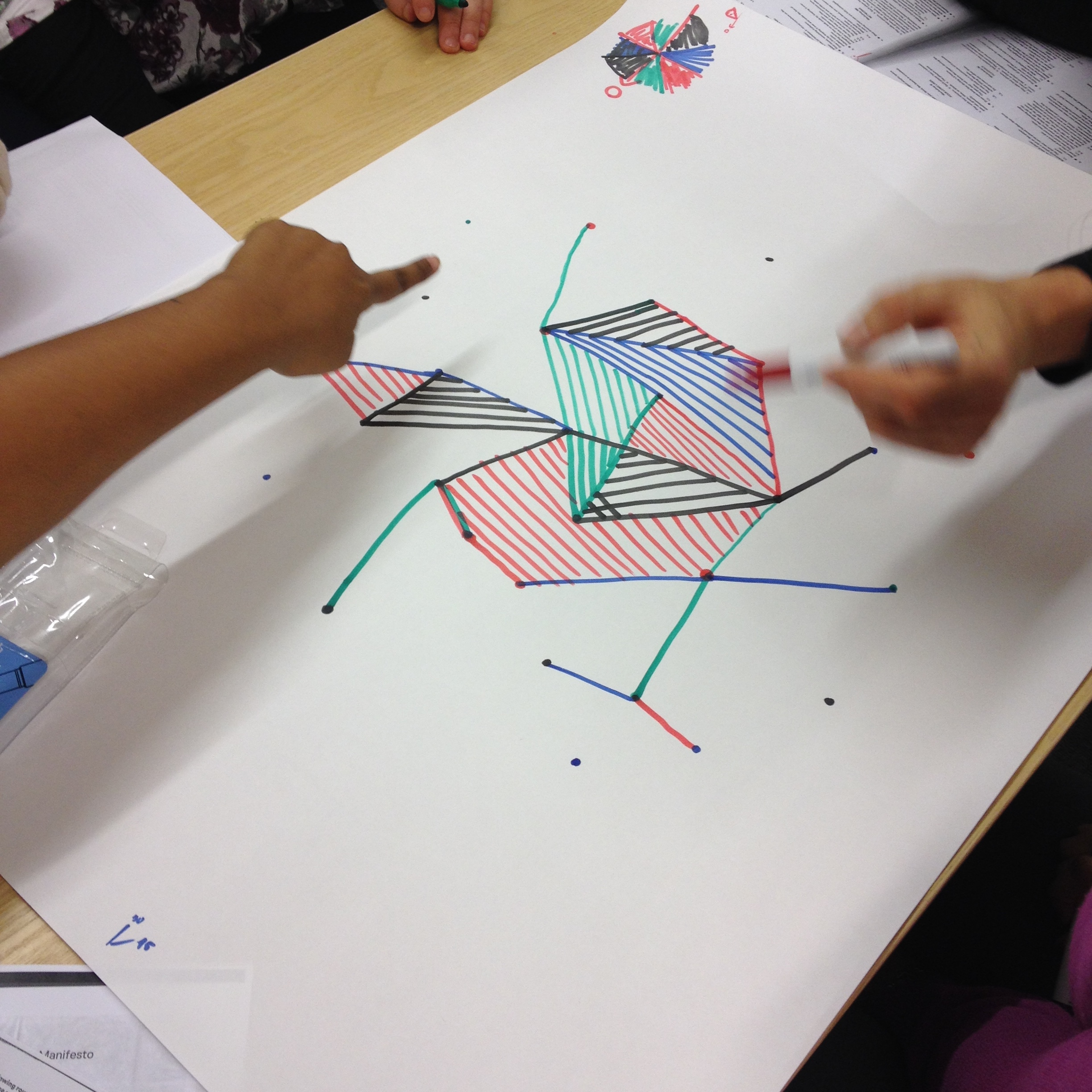
We did a Conditional Design workshop recently, as part of the Feral Studio *If,Then* events. And I just happened across this video, coincidentally, prompted by a couple of questions from Sam. I thought it was worth posting as it’s relevant in terms of the discussion that might, or could, be generated from the previous post about ‘craft’.
via ▶ Dutch Profiles
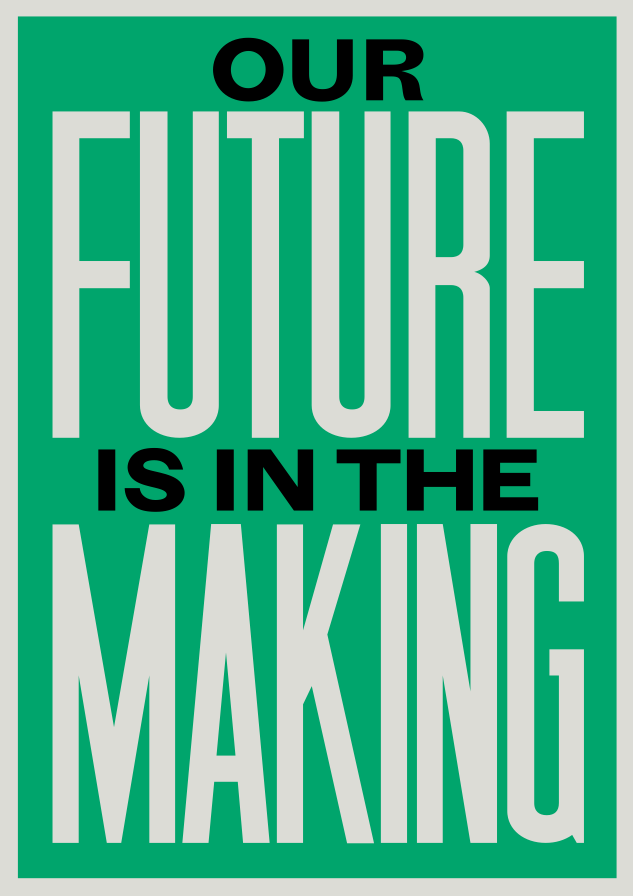
The Crafts Council today launches its Education Manifesto. There’s a good debate to be had around ideas of craft. Does it encompass all aspects of making? And while it might seem a superficial question, does the deference to a sort of ‘keep calm and carry on’ visual language help widen out that debate?
The Radio 4 series ‘Germany’, by Neil MacGregor, has been fascinating, but At the Buchenwald Gate provides particularly interesting questions about the possibility for a subversive role for typography in the face of inhumanity on an almost unimaginable scale. Listening to the full episode, (via that link there), some of the nuances of this situation are drawn out.
Other design related episodes look at the role of the Bauhuas, and German’s modernist designers, architects and artists, in shaping our contemporary understanding of ‘modern’ design. Recommended. (Thanks to Penny Anderson for the tip off).
Nessa Johnstone will be presenting ‘Silence’ in the Haldane Cinema space on Friday 21st November.
Time : 1:30pm
In a much-repeated anecdote, the composer John Cage described a visit early in his career to the anechoic chamber at Harvard. In this room, scientifically designed to be without sound, Cage heard two sounds, one high and one low. He asked the engineer in charge what was happening, and was told that the high sound was his nervous system, the low sound his blood as it circulated. Wherever you go, you can’t escape yourself.
The central character in Pat Collins’s elusive, sparse, meditative movie Silence is played by (and named for) Eoghan Mac Giolla Bhríde, with Collins one of the film’s co-writers. Eoghan is an Irish sound recordist returned from Berlin to capture the noise of nothing. “I’m recording areas away from manmade sound,” he tells one of the lonely figures he encounters, striding towards him far out in some lonely marsh. “So you’re here?” the man responds with gentle cheek, wondering perhaps if the crank hadn’t thought it through. “I’m here yes, but I’m keeping quiet.”
Several of the half-dozen conversations he has with those he encounters across Ireland – often with people playing themselves – have this same thread of amused bafflement on both sides, as if the project can’t help but make them thoughtful. But much more of the film is people-free: hills, moors, scarps, rivers, woods, sky, great Atlantic breakers, deserted buildings seen from afar or from intimately close. And lots and lots of types of birdsong.

Com Des person and current RCA student Oona Brown is starting a new publication. It is open for submissions. Like a printed Wunderkammer.
Recent Comments