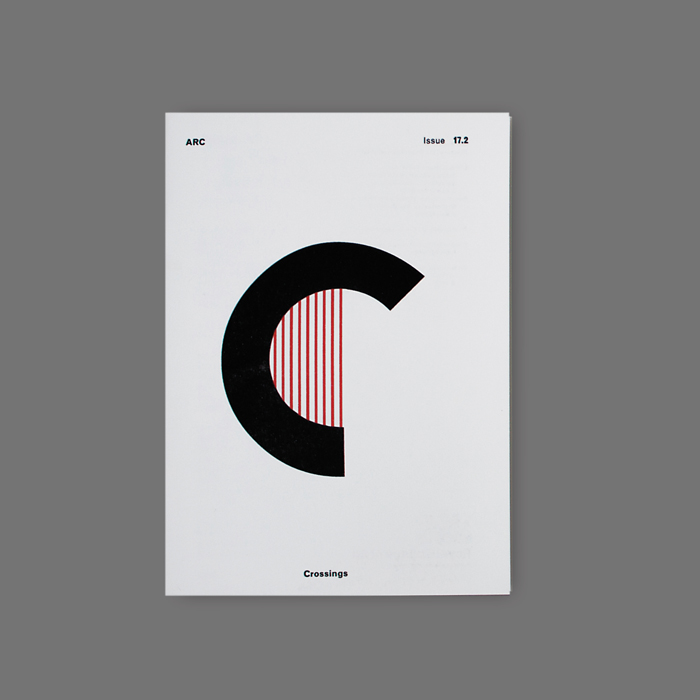
Two completely unrelated things i’ve just looked at on the internet; ARC – Journal of the Royal College of Art (they have a new website) and donottouch.org
New journalistic low for the ol’ blog.
Communication Design Department Blog / Glasgow School of Art
Two completely unrelated things i’ve just looked at on the internet; ARC – Journal of the Royal College of Art (they have a new website) and donottouch.org
New journalistic low for the ol’ blog.
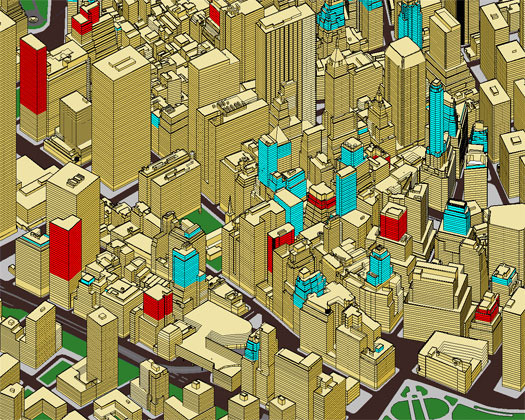
From the comments; “…the benefit of living in an urban environment are the social discrepant events that propel society forward – these “collisions” between disparate power structures and groups that shape our cultures and social innovations – this proposal effectively wants to eradicate this necessarily messy conflict and “negate authorship” – which is extremely alarming – because then it becomes impossible to pinpoint who is really behind the green curtain.”
via Whos Your Data? Urban Design in the New Soft City: Places: Design Observer.
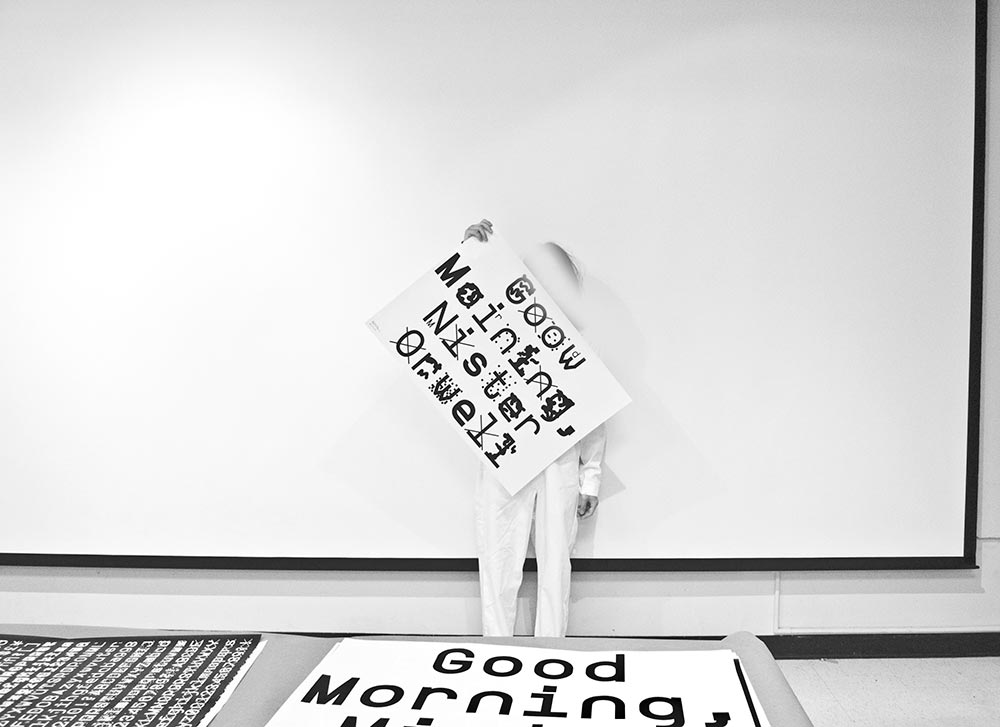
Fascinating and relevant: Making Democracy Legible: A Defiant Typeface — via The Gradient, Walker Art Center.
https://www.facebook.com/artschoolrebrand
http://www.scribd.com/bookings15/documents
POW if you don’t know about me
POW better ask someone quickly
’cause POW!
“Dedbullets is a software construct. A generative identity. He reads my blog, and my twitter feed, and any other textual content we point him at. He munches it, remixes it and spits it back out in the form of tweets. For extra authenticity he has, at times, been allowed access to posts I haven’t made public, so occasionally quotes content I’ve never before shared. If his tweets sound like the kind of thing I’d say, it’s because they are the kind of thing I’d say.”
via Social Networking With The Living Dead – Matt Pearson (@zenbullets).
*TBTB or ‘Too Busy To Blog’ is a symptom of modern life whereby sufferers experience a chronic build-up of hyperlinks that can only be dealt with by a long, disjointed and dissociative blog-post. The following are all reference points and links that have come up through, or as a result of, studio discussions over the last term or so. The approach borrows a little from the excellent things.
We begin with objects that are ‘alive‘. Pipilotti Rist. The Form of the Book, Book. Facebook’s social graph and the exploitation of ‘weak-links‘, (and an amazing resource of freely available critical writing on the subject). Danah Boyds early, but influential essay on myspace, facebook and class divisions. “If you’re not paying for it, you’re the product“, which echoes something Serra said. Unlike Us?
Elsewhere in the world, a dataset speaks a thousand words, and we can (thanks to Paula Scher) track the deterioration of a blog comment thread.
To architecture, the power of the manifesto, and the politics (to be viewed with the utmost criticality) of ‘progress’. Ant Farms, ‘fake’ villages (and more); Clip/Stamp/Fold, and the Fountainhead in 5 seconds.
Live surfaces, media surfaces. Augmented reality (think ‘clinic brief‘). Reality reality (think ‘everything else‘). Razzle Dazzle, and the New Aesthetic. Pixel Sorting for Dummies.
No-brow culture (E4?) and cutting through the clutter. “A brand is nothing, wanting to be everything“. Unexpected Creativity.
A long way from heterotopia? The anti-library, and Benjamin, unpacking. Perspectives on reading. Information Landscapes (of 1994). The Library of Babel. Unreliable narrators. Authentic translation.
Meanwhile, ballet meets synchronised swimming, or fashion? And movement, underwater. (‘Gorgeous’ say CraveOnline, ‘Sally worked on this’ say gsavis.com/blog)
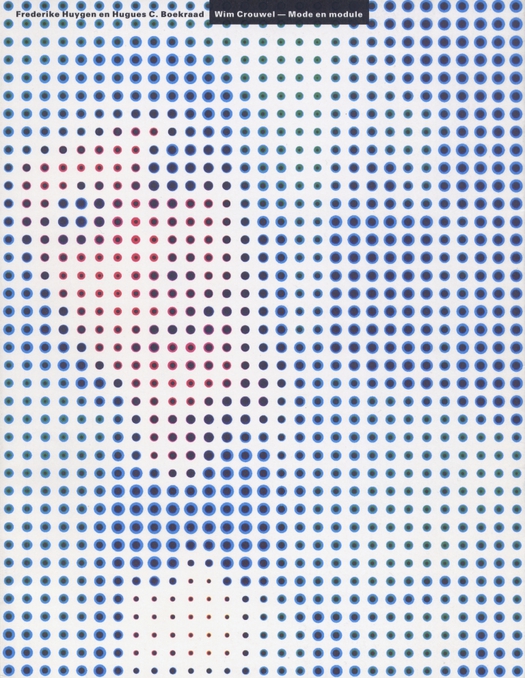
Laika, Neutral, Univers; Typeface as programme (my machines). Printing as process, (and just-in-the-nick-of-time). The computational and generative, meets InDesign. Calligraphic lettering. And this article by Robin Kinross offers some interesting insights about the work of Wim Crouwel.
An Open School might look a bit like this.
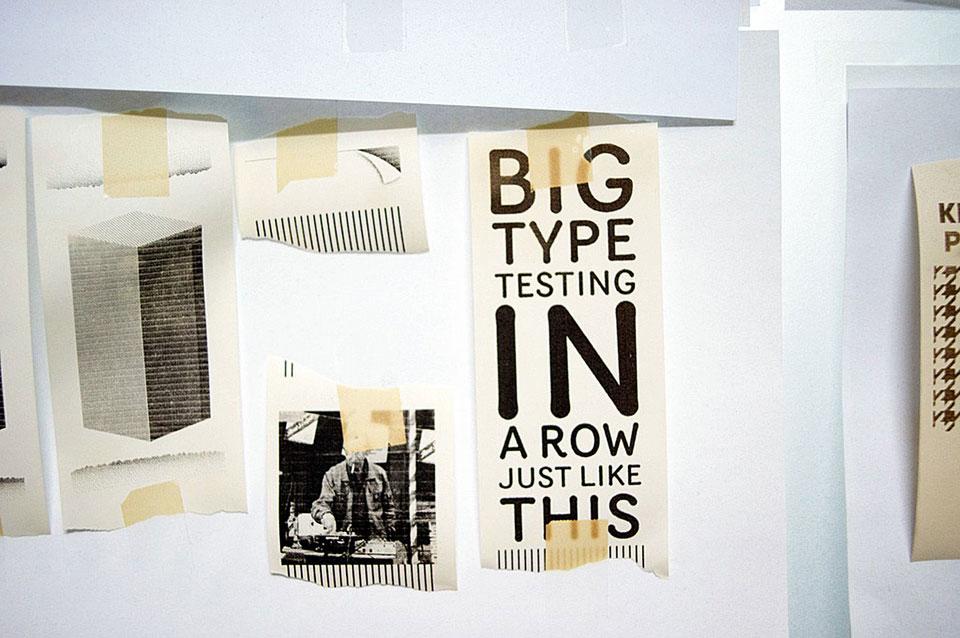
This in-depth article about Little Printer looks at the process behind the product, (which is probably more of an indication of future products than a fait-accompli), with some really interesting observations about design process, ‘discipline’ and more.
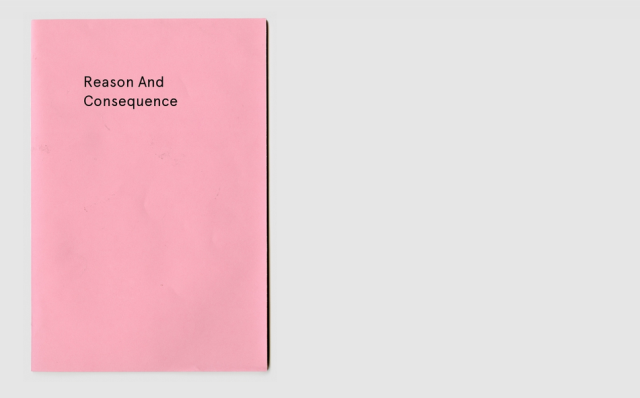
Maybe streamlining is the last thing a zine-maker should be thinking about? via Anonymous-Press – Streamlining the process of zine making.
Kimberley asked me to post this months ago, in relation to a project that has long since passed. I’ve only just got round to it. Awful.
(This project by James Bridle is also amusing: #rorschmap: Street View Edition )
Cory Doctorow writes a thoughtful and insightful article in relation to the sad news about Aaron Swartz, and his important and inspiring work.
This article on Rhizome.org, and the accompanying audio discussion, may be interesting. I don’t know, I simply haven’t had time to read or listen to it. It may well relate to a lot of the other stuff we have about ‘attention‘. Possibly.
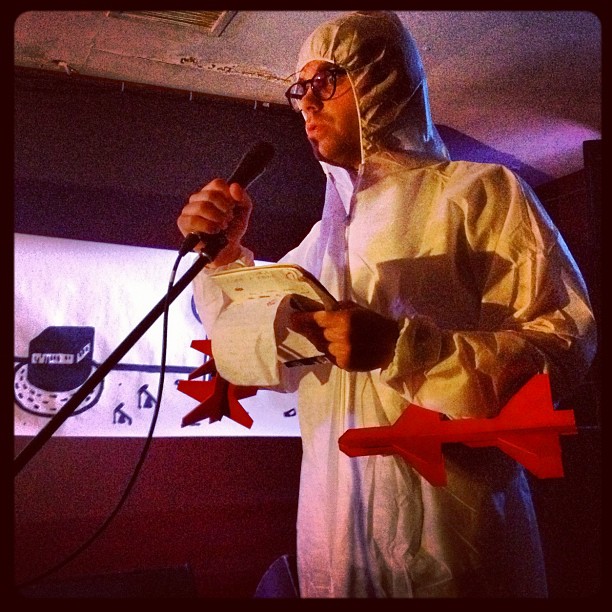
Image: Emlyn Firth
Thanks to Nick, Lizzie, Floris and Malcolm (pictured, as drone) for a fantastic series of talks last night, and a great workshop – If you have research material you gathered, please do upload it to the tumblr.
If you’re interested in finding out more about the emergent architectural forms of Google Dominion, you can read one of Momus’s blog posts about it here. I can also recommend reading up on Heterofascist Park if you want to know which young Scottish architects are going to be forging a new nation in the event of Independence happening.
Thanks too, to Seb and Sophie for the lovely new Feral Studio website.

Defense distributed raise an interesting spectre of the point (in the not too distant future) when we will be able to access (any) object as data and fabricate it ourselves as a 3D printed object. In this case, their focus in the gun, (or as they call it the ‘personal defence system’). The project, as I’m sure it’s intended to do, raises a number of ethical and social issues, and while I personally feel that their libertarian manifesto is a bit muddled (not seeming to recognise individual and collective rights as being connected in any way), its interesting to think about whether we feel any different were we to contextualise this technology in the arab spring, or other recent uprisings, and how this makes us feel about the more traditional methods of arms manufacturing, distribution and control.
Thanks to the person from 2nd year who raised this in a discussion group (and whose name unfortunately I don’t have to hand), as i think it raises some really interesting questions.
Slide Shows is an interesting idea, and delightfully quiet. I’m interested in the thing that Stuart Bailey touched on in his talk earlier this year, about the relationship between performance and practise, and think there’s something interesting happening in terms of how we present work/ourselves, and our design personas (and our ideas of ‘activity’ and ‘productiveness’). These slideshows certainly seem to me to embody some ideas of ‘hybrid’ forms, and what technology might allow/provoke.
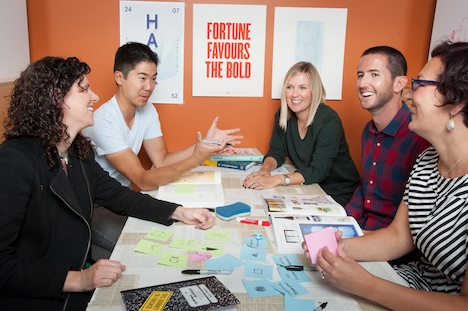
In this image, only two people are looking at each other. The others are failing to connect, and looking somewhere in to the middle distance. Perhaps they are contemplating the significance of the vaguely retro ‘letterpressed’ poster invocation that ‘fortune favours the bold’, and wondering how they can inject some of this faux-authenticity into facebooks offering. The image is used (and it’s good to speak to Edwin on this point, as he has a lot of interesting research about the use of ‘nostalgic’ design/typography by contemporary corporations and organisations) as an attempt to illustrate a point in an article; Designing Delight: Behind the Scenes at Facebook, on Core 77, (which is written by Facebook’s Director of Design, Kate Aronowitz, and is therefore technically an advert, rather than an article).
‘Social Design’ is Facebook’s current buzz-phrase, and the article does absolutely nothing to illuminate in any detail what exactly social design might mean, other than some vague references to all interaction design being more to do with the human than the machine, and some of the usual stuff about open-plan offices, open-plan innovation, and open-etc-etc.
What the article perhaps inadvertently highlights is a possible recent shift in the meaning of the word ‘social’, from one that was quite politically charged and value-laden (social security, social welfare etc) to one that has, in a web 2.0 context, become quite neutral, describing instead a technical function (of share, ‘like’, re-post etc). I first came across this idea, via Geert Lovink and Networks without a Cause.
Meanwhile back in Facebook-land, the unrelenting wheels of progress continue to turn and the weekly meetings with ‘mark’ grind on. But maybe they’re still not quite as entrenched in the work/life/office of the future, as googlers at the google-plex:
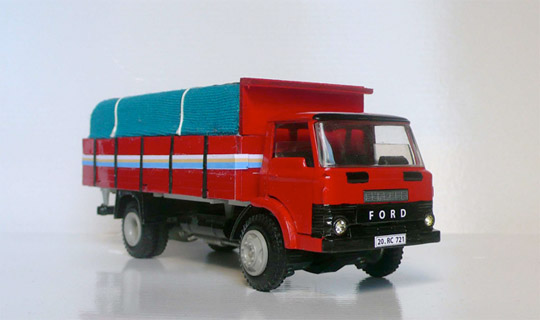
I can’t remember if I’ve previously flagged up the brilliant things magazine. It is beyond the usual internet interesting.
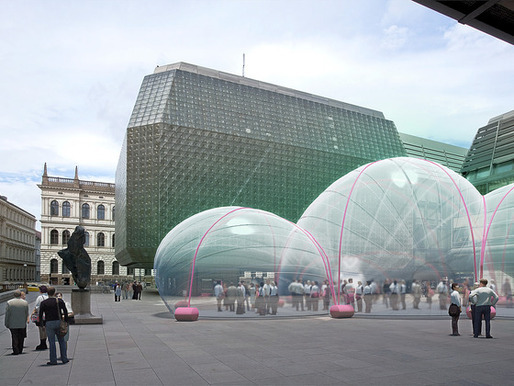
Kickstarter bans renderings; adding to the increasingly difficult debate about what is ‘real’. Does it matter if a designers portfolio consists of entirely ‘faked’ live surface visuals? (Thanks to David for the post title).

Will Wiles offers some salient observations on the ‘New Aesthetic‘, countering some of the more short-sighted and blunt critiques (generally from art and architecture directions) that the New Aesthetic’s role was just as a collection of glitchy tech-artifacts, and that *yawn* we’d seen it all before in the late 90’s and early 00’s.
Talking about Bruce Sterling, and helping define what role the ‘New Aesthetic’ might serve, this passage perhaps best sums up its potential value: “He called it a ‘gaudy, networked heap’, and better than that, a wunderkammer, a cabinet of curiosities — geodes, two-headed lambs, bits of coral — that were assembled by hungry minds in Enlightenment Europe. The wunderkammer is part of the first act of modern science — astonishment at the oddities of the natural world, which whets the appetite for inquiry. ‘A heap of eye-catching curiosities don’t constitute a compelling world-view,’ Sterling wrote. Perhaps not, but it’s a start.”
Mariuz Watz, in the video below, does a good job of addressing this issue. He also rather succinctly addresses algorithmic laziness, but what I think is useful is that this critique could be applied to any creative technique or tool, applied unthinkingly. The same goes for assuming that the New Aesthetic’s only value is as a sort of visual amalgam of modern digital ephemera, rather than as a signpost for a way of processing the world that has further to run and far greater depths to be investigated. All these tools, collections and observations offer us a lot, but only if we thinkingly engage with them, use them as a starting point, and make up the distance ourselves.
Eyeo2012 – Marius Watz from Eyeo Festival on Vimeo.


Recent Comments